AI Yoga and Top 10 Poses
New yoga poses according to A.I In 2026, yoga is no longer limited to physical studios or fixed routines. Artificial Intelligence (AI) has transformed yoga into a more personalized, data-driven, and accessible wellness practice known as AI Yoga.
- 1. Tadasana (Mountain Pose)
- 2. Vrikshasana (Tree Pose)
- 3. Adho Mukha Svanasana (Downward-Facing Dog)
- 4. Bhujangasana (Cobra Pose)
- 5. Trikonasana (Triangle Pose)
- 6. Virabhadrasana II (Warrior II Pose)
- 7. Setu Bandhasana (Bridge Pose)
- 8. Paschimottanasana (Seated Forward Bend)
- 9. Balasana (Child’s Pose)
- 10. Shavasana (Corpse Pose)
- Conclusion
Using smart apps, wearable devices, posture-detection cameras, and AI coaches, practitioners can now receive real-time feedback, customized pose sequences, breathing guidance, and progress tracking. AI Yoga helps
people adapt ancient yogic wisdom to modern lifestyles, making it especially relevant in an era of long screen time, mental stress, and sedentary habits. Below are the Top 10 Yoga Poses, explained with their purpose, benefits, and why they are especially important in 2026.

1. Tadasana (Mountain Pose)
About the Pose: Tadasana is a foundational standing pose that focuses on posture, balance, and body awareness.
Benefits: It improves spinal alignment, strengthens legs, and enhances body consciousness. AI posture sensors can correct subtle misalignments in real time.
Why in 2026: With increasing desk jobs and poor posture due to digital screens, Tadasana helps reset the body’s natural alignment and prevents chronic back and neck issues.

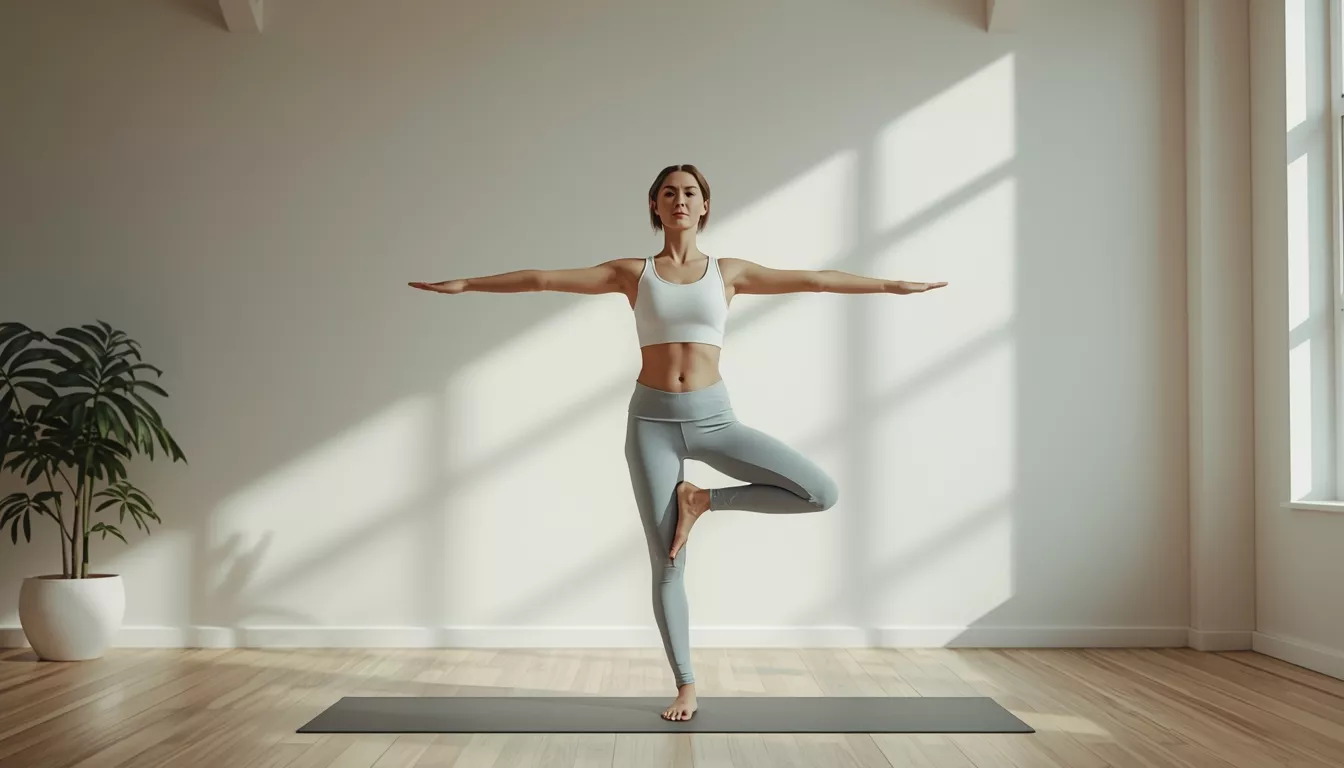
2. Vrikshasana (Tree Pose)
About the Pose: A balancing pose where one foot rests on the inner thigh or calf while the body remains upright.
Benefits: Improves balance, focus, and neuromuscular coordination. AI tools track stability and micro-movements.
Why in 2026: As mental distraction increases, Tree Pose helps rebuild focus and mind-body connection, crucial for cognitive health.
3. Adho Mukha Svanasana (Downward-Facing Dog)
About the Pose: An inverted V-shaped pose that stretches the entire body.
Benefits: Strengthens arms and legs, stretches the spine, and boosts circulation. AI feedback ensures proper weight distribution.
Why in 2026: This pose counteracts prolonged sitting and improves blood flow, essential for people working long hours indoors.
4. Bhujangasana (Cobra Pose)
About the Pose: A gentle backbend performed lying on the stomach.
Benefits: Strengthens the spine, opens the chest, and improves lung capacity. AI guidance prevents overextension.
Why in 2026: With rising respiratory and posture-related issues, Cobra Pose supports better breathing and spinal health.
5. Trikonasana (Triangle Pose)
About the Pose: A standing side stretch involving a wide-legged stance.
Benefits: Improves flexibility, digestion, and hip mobility. AI apps analyze joint angles for safety.
Why in 2026: As mobility decreases due to sedentary lifestyles, this pose restores functional movement patterns.
6. Virabhadrasana II (Warrior II Pose)
About the Pose: A powerful standing pose symbolizing strength and focus.
Benefits: Builds lower body strength, endurance, and confidence. AI tracks muscle engagement.
Why in 2026: Physical and mental resilience are vital in fast-changing environments, making Warrior II highly relevant.
7. Setu Bandhasana (Bridge Pose)
About the Pose: A gentle backbend performed on the back with lifted hips.
Benefits: Strengthens the back, glutes, and improves blood circulation. AI monitors spinal safety.
Why in 2026: Helps relieve lower back pain caused by prolonged sitting and stress.
8. Paschimottanasana (Seated Forward Bend)
About the Pose: A seated stretch bending forward from the hips.
Benefits: Calms the mind, stretches the spine, and improves digestion. AI helps regulate breathing rhythm.
Why in 2026: Mental wellness is a priority, and this pose supports stress reduction and emotional balance.
9. Balasana (Child’s Pose)
About the Pose: A resting pose that relaxes the body and mind.
Benefits: Reduces stress, relieves back tension, and promotes relaxation. AI-guided breathing enhances its calming effect.
Why in 2026: Burnout and anxiety are common, making restorative poses essential for recovery.
10. Shavasana (Corpse Pose)
About the Pose: A final relaxation pose performed lying flat on the back.
Benefits: Integrates the practice, reduces stress hormones, and improves sleep quality. AI meditation guidance deepens relaxation.
Why in 2026: Quality rest and nervous system regulation are critical in a hyper-connected world.
Conclusion
AI Yoga in 2026 represents a powerful blend of ancient practice and modern technology. These top 10 poses, when enhanced with AI guidance, help address physical stiffness, mental stress, and lifestyle-related health challenges. By combining mindful movement with intelligent feedback, AI Yoga ensures safer, more effective, and deeply personalized wellness for the future.